
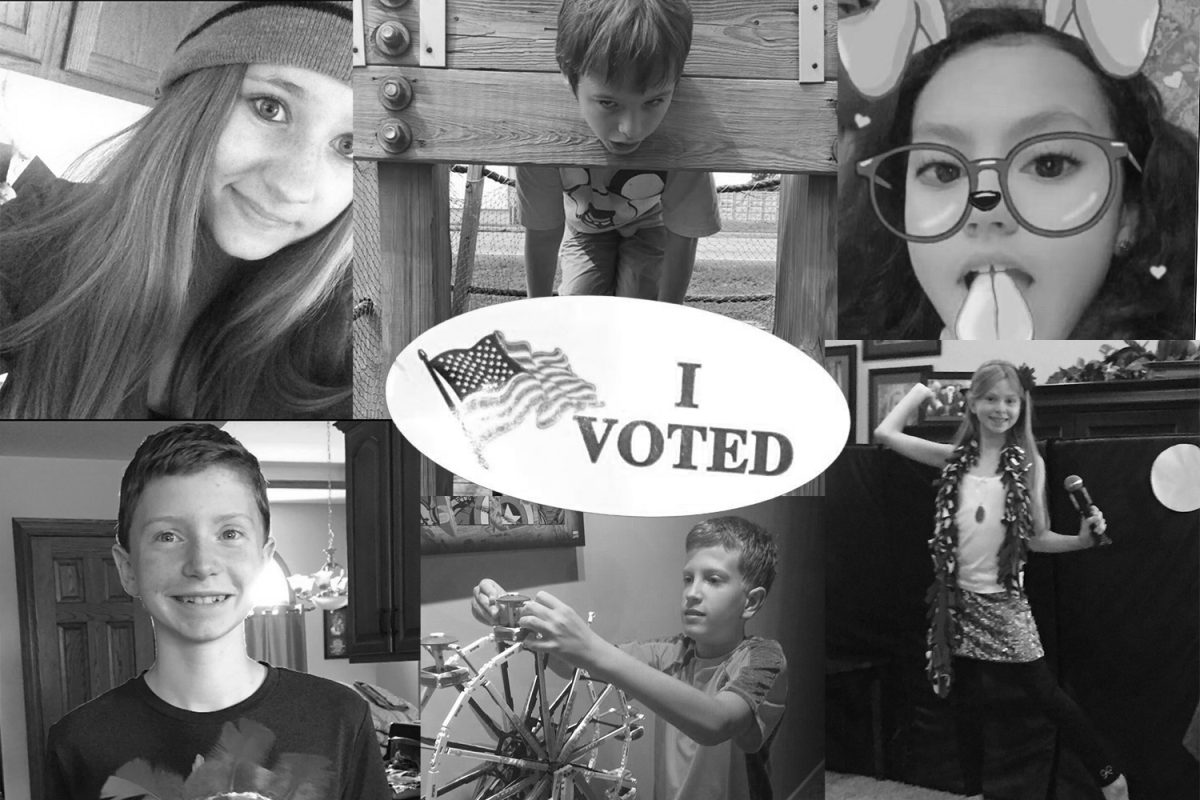
A decade ago, we were obsessed with the playful puppy face filter, rocking athleisure, and wearing chokers all while relishing a carefree life before the impact of the COVID-19 pandemic. While I still find joy in revisiting those silly snapshots from my Snapchat days at 10 years old, many of us are more intent on escaping to this nostalgic era rather than embracing the future.
The trend #BringBack2016 has swept across the internet with striking intensity. According to the BBC, in just the first two weeks of 2026, searches for “2016” on TikTok surged by an astonishing 452 percent. The platform now has over 55 million videos with the “2016” filter, capturing the vibes of the year.
Although I sometimes wish life were as simple as it was when I was 10 years old, I don’t think the best way to cope is to go back to that time rather than use it as inspiration to move forward in our lives.
People reflect on this time as a period of relative innocence, one where they could enjoy life without the looming threat of the COVID-19 pandemic or a billionaire president who has no regard for American citizens. Social media, although still a significant part of daily life, has become increasingly judgmental.
People then were less consumed by popularity or recognition and more focused on being themselves. The yearning to return to this era reflects a desire to recapture those moments of unadulterated fun and connection, a complete contrast to the challenges of life we have today.
It’s undoubtedly a chaotic period, and I won’t argue against that. However, in our desire to revert to a perceived better time, we often overlook the importance of focusing on the present and navigating the challenges of today. Embracing the current landscape might be the key to creating a more equitable future.
2016 was marked by a variety of cultural moments and trends that resonated deeply with the public. Rise in music, viral trends, and TV shows are often what many young people remember from the year. For others, the year holds more political relevance — the beginning of President Donald Trump’s first term in office. Ever since, there has been chaos and a never-ending cycle of bad news.
Kiara Djoumessi, a second-year University of Iowa student, has not personally participated in this trend, but understands why many feel the desire to return to a more innocent and carefree time.
“I do relate to the desire to bring back the sense of social and cultural optimism that defined 2016 for a lot of people,” she said. “I think the trend is both a form of memorizing and an attempt to bring back that feeling of that year.”
For Djoumessi, the year represents a significant turning point in social culture, especially when contrasting it with today’s climate.
“It was a culturally rich time with a lot of optimism about the future. Wanting to revisit that feeling makes sense, especially today,” she said. “The biggest issue is that this year is still very much 2026. While some of the cultural grassroots energy of 2016 is reappearing, people are dealing with very real hardships right now.”
She said many of those who were kids or young teens in 2016 are in a completely different stage of life, with responsibilities and pressures that did not exist 10 years ago.
While 2016 was a year filled with fun and unforgettable moments, it is essential to shift our focus from nostalgia to the present.
Today, we face challenges that require our attention and energy. Instead of yearning to return to what we consider a safer time, we can draw inspiration from the optimism and carefree spirit of that year.
“While we can have new ideas with the same sense of optimism, we cannot truly go back to the pre-Trump, pre-adulthood, pre-paying rent version of life. Remembering the spirit of that time feels more realistic than trying to relive it,” Djoumessi said.
Let’s embrace that spirit today. Incorporating the positivity and hope we felt back then into our daily lives. Perhaps in another decade, we will look back at our current challenges with the same sense of nostalgia, equipped with better perspectives and resilience. And hopefully, better Snapchat filters.