


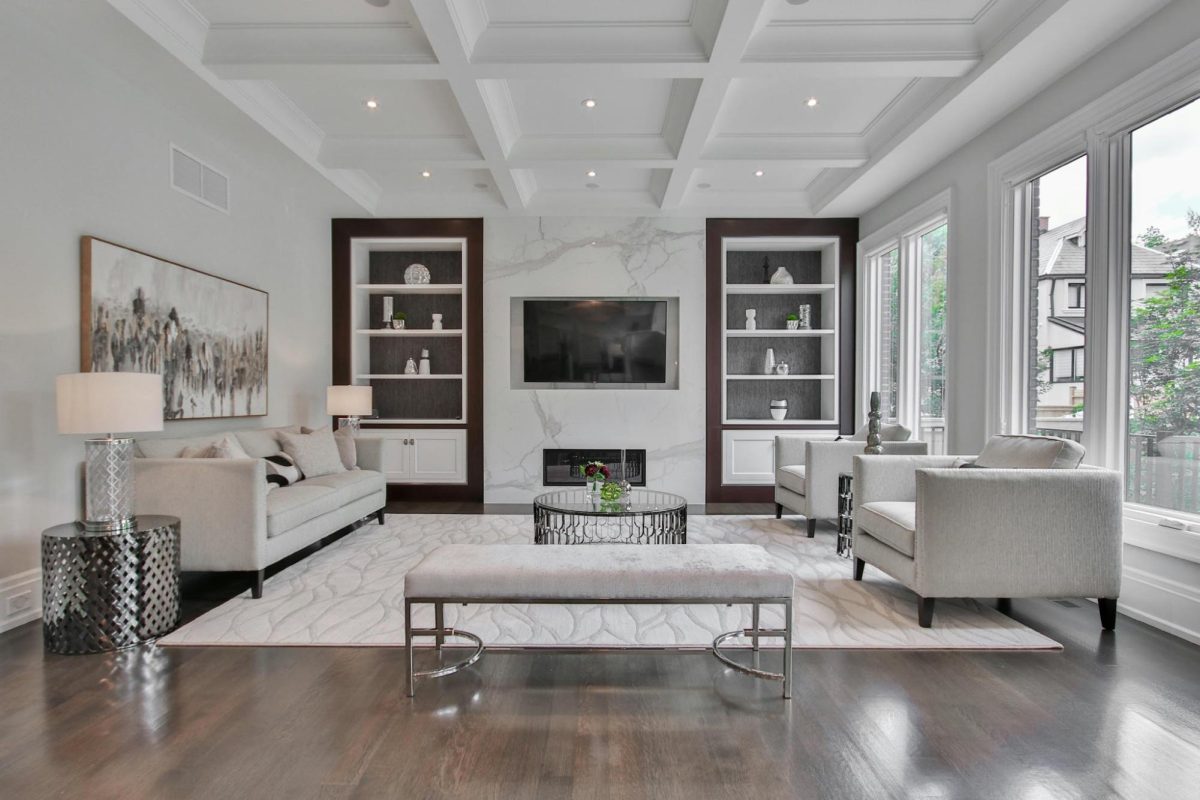
The living room has quietly become the most contested piece of real estate in the home. Not the kitchen, not the bedroom — the living room. A survey of nearly 1,900 consumers across the U.S. found that the living room is where half of Americans spend the most waking hours, outpacing every other room in the house, and that was before accounting for the long-running trend of home life expanding to fill more of the day. According to data from the American Time Use Survey, Americans spent nearly an hour and 39 minutes more per day at home in 2022 than they did in 2003 — a shift that shows no real signs of reversing.
What that means is that the living room is where we decompress, entertain, work from the couch, and increasingly, where we host the people we care about. A room that needs proper furnishings for all circumstances.
The Cost of a Piece That Only Does One Thing
A sleeper sofa is the counterargument to single-purpose furniture. On any given evening it’s the main seating in the room — the place people actually gather, sink into, and stay longer than they planned. On the nights it’s needed, it becomes a proper bed. The same piece, in the same footprint, doing two things well instead of one thing adequately.
Interior designers have been pointing to this shift in thinking for a while. The Homes & Gardens roundup of 2025 living room trends noted that designers are moving toward “anchor pieces” that are expertly crafted and built to last — sofas and sectionals that justify their square footage through quality and longevity, not just aesthetics. A sleeper sofa built to that standard is one of the most rational investments a living room can hold, but instead of it being a monetary investment, it’s an investment in the people we know and love.
What to Look For When the Sofa Has to Do More
The sleeper sofa category spans an enormous range — from entry-level pieces held together by optimism and thin padding, to genuinely well-made furniture with quality in mind. You can tell the difference based on a few characteristics.
The sofa first. The best sleeper sofas are designed as sofas that also open into beds, not as beds disguised as sofas. If the frame looks compromised, the cushions feel thin, or the silhouette reads like it’s hiding something, it probably is. The sofa should hold its own on pure aesthetic and comfort terms before the conversion mechanism factors in at all.
The mattress, second. Depth matters enormously here. The difference between a guest who wakes up rested and one who quietly suffers through a poor night’s sleep often comes down to whether the mattress is thick enough to insulate them from the frame below.
The upholstery, third — and this matters more than it sounds. Full-grain leather is particularly well-suited to a sofa that also functions as a bed. It’s naturally breathable, which means it stays comfortable through extended contact in a way that synthetic fabrics or performance textiles rarely do. It also holds its structure over years of daily use — resisting the pilling, sagging, and wear patterns that show up on lesser materials long before the piece has paid for itself.
A Living Room That’s Actually Ready for Whatever Comes
There’s a version of the living room that’s beautiful but brittle — curated for a specific kind of use and quietly inadequate for everything else. And there’s a version that’s genuinely ready: for the evening that stretches past midnight, for the family member passing through town, for the Sunday that doesn’t require leaving the couch.
The furniture in the second kind of room was chosen with that range of use in mind. Not over-engineered or cluttered with contingency, but genuinely considered — each piece earning its floor space by doing its job exceptionally well, and sometimes more than one job at once.
In a room that now anchors more of daily life than any other, that kind of thinking isn’t about luxury anymore or opulence, but more about being intentional with the quality of products chosen for our homes.