


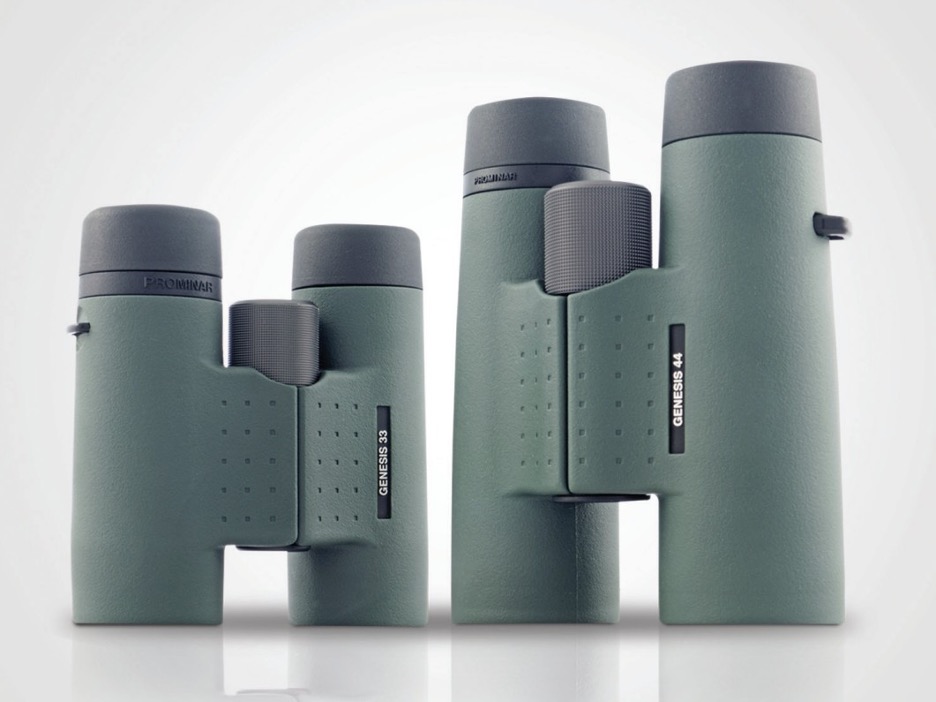
Kowa may not be the most visible name in binoculars like Swarovski or Vortex, relying mostly on word-of-mouth within birding communities, but they bulld optics that compete with the heavyweights. Enthusiasts might know the brand from spotting scopes, yet Kowa binoculars are just as good. So we asked our friends at this outdoors sports store to break down one of the Kowa’s best binoculars series for you – the Genesis.
Kowa does not treat the Genesis series as a basic “premium binocular” clone. Across the line, the company uses its PROMINAR / XD lens system, with multiple XD elements in the objective assembly to control chromatic aberration and preserve contrast. In practice, that means the view tends to stay clean and well-defined even in difficult, high-contrast conditions such as backlit branches, pale feathers, or dark animals against bright ground.
Optical design and performance
The Genesis formula is what you expect from high-end roof-prism binoculars. The series uses dielectric prism coatings, phase correction, waterproof sealing, nitrogen purging, and a magnesium-alloy chassis on the larger models.
What makes them stand out is how these Kowa binoculars suppress color fringing very well, sometimes better than much more expensive rivals.
Less chromatic aberration means fine detail does not get washed out by purple or green edges, so foliage, feathers, and fur all look more natural and easier to separate from the background. The result is not just a prettier image; less CA means a calmer, easier-to-read view. When you are glassing for long periods, especially in busy, high-contrast scenes, that kind of optical cleanliness reduces fatigue and makes it easier to hold onto subtle detail.
Color rendering leans a little warm. That gives the view a pleasant, natural feel for many users, although some may find it slightly subdued compared with the punchier look of other premium binoculars.
Stray light control is generally good, but there are reports of minor ghosting or flare around strong light sources at night.
As for the brightness, the 44mm models perform decently in fading light. They do not dominate the very best premium binoculars at dusk, but they hang on well and give plenty of usable detail late into the evening. The 33mm models, despite the smaller aperture, still perform better than many compact binoculars in its class.
Build and handling
Mechanically, Genesis feels serious. The body feels dense, solid, and dependable rather than hollow. Rubber armor feels grippy, while hinges hold tension well. Note that Genesis isn’t the lightest design; they do feel stable in hand, but you will feel more of it on the chest.
The focus wheel feels smooth, precise, and deliberate, with enough resistance to avoid accidental overshoot, which is especially helpful if you jump between birds at different distances. The locking diopter setup on the 33mm and 44mm versions stays put once dialed in.
The only real complaint from a design standpoint is ergonomics. The larger models can feel bulky on a strap, and some users may find the eyecups a bit thick or less forgiving than ideal. On the other hand, the heft also contributes to a planted viewing experience, which many field users will prefer over ultra-light binoculars that feel less substantial.
Genesis 44
The 8.5×44 and 10.5×44 models target users who want a fuller, more planted binocular for serious field use. They offer strong brightness, a stable in-hand feel, a larger exit pupil, close focus capability (around 1.8 yards), filter threads on the barrels, diopter lock, and a robust magnesium chassis.
The Genesis 8.5x44mm is probably the most balanced model in the family. It gives you a relaxed view, generous brightness, and enough magnification for most field work without feeling overly demanding. Birders, general naturalists, and woodland users should get along with it well.
The Genesis 10.5x44mm suits long-distance work better. It gives extra reach for open-country birding, western hunting, shorebirding, and scanning slopes or basins. The narrower field and heavier body ask more from the user, but the format makes sense for patient glassing.
Pros:
- very high contrast
- neutral-to-natural color
- strong center sharpness
- edge performance that hangs with more expensive competition
- first-rate chromatic aberration suppression
Cons:
- no standard tripod thread
- bulky body compared to competitors
- eyecups may feel too thick
Genesis 33
The 8×33 and 10×33 models are the most versatile everyday options for users who want premium-level optics in a more travel-friendly package. They stay light enough for all-day carry, offer a very wide FOV in the 8x version, and close focus down to around 1.6 yards. The 8×33 in particular is the “sweet spot” choice for many users because it balances field of view, image steadiness, and portability very well. The traidoffs are, obviously, brightness. Also, the Genesis 33 models have average to slightly short eye relief, which may not be comfortable for glasses wearers.
The Genesis 8×33 looks like the pick for travel, mixed birding, hiking, safari use, and woodland walks. It’s a more forgiving binocular, with the wider field and easier eye placement making it the better all-around option.
The Genesis 10×33 appeals more to people who want a compact-ish binocular with extra reach. It pulls more detail at distance and still avoids the size penalty of a full 10×42 binocular. It makes sense for shorelines, open landscapes, daylight wildlife watching, hawk watching, and mountain travel, that extra magnification can pay off.
Pros:
- very low chromatic aberration
- bright, high-contrast image for the size
- large field of view, especially 8×33
- compact body with solid materials
- excellent close focus
Cons:
- not as bright as the 44mm models
- smaller sweet spot
- tighter eye relief
Kowa Genesis 22: Serious pocket binoculars
The 8×22 and 10×22 models are built for portability first. They are not meant to replace full-size binoculars; they are meant to be carried everywhere.
The double-hinge design makes them extremely compact, and that alone gives them a clear role for travel, casual outings, or everyday carry. Despite the small format, they are impressively sharp and bright for the size, with excellent close focus and a solid feel in the hand.
The lower magnification of 8×22 makes eye placement easier, steadies the image, and keeps the view more forgiving in a very small binocular.
The 10×22 trades that forgiveness for reach. In a pocket format, that trade can feel harsh. More shake, narrower feel, tougher viewing comfort. Some users will still prefer it for daytime detail work, but it asks more from the hands and eyes.
Pros:
- great optical performance
- ultra compact due to size and dual-axis folding design
- waterproof
- close focus capability
- makes sense for casual travel and EDC
Cons:
- less bright than the bigger models, not ideal for dusk or dense shade
- less relaxing for extended observation
- more sensitive to eye placement
Final take
The Kowa Genesis series deserves more attention than it usually gets. It does not win on brand prestige alone, and it is not the lightest or most universally comfortable binocular line in its class. But if you care about clean optics, strong mechanical feel, and very good real-world performance, it makes a compelling case against far better-known names.