


The University of Iowa is now home to the second Iowa-based chapter of the American Lung Cancer Screening Initiative, after Drake University in Des Moines. The initiative is a national student-led nonprofit with over 50 chapters and 700 students in the U.S. and abroad.
The initiative’s mission is to promote the importance of screening for people at high risk of existing or potential lung cancer, centering much of its outreach on hosting events in community spaces and forming partnerships with various nonprofits and brands.
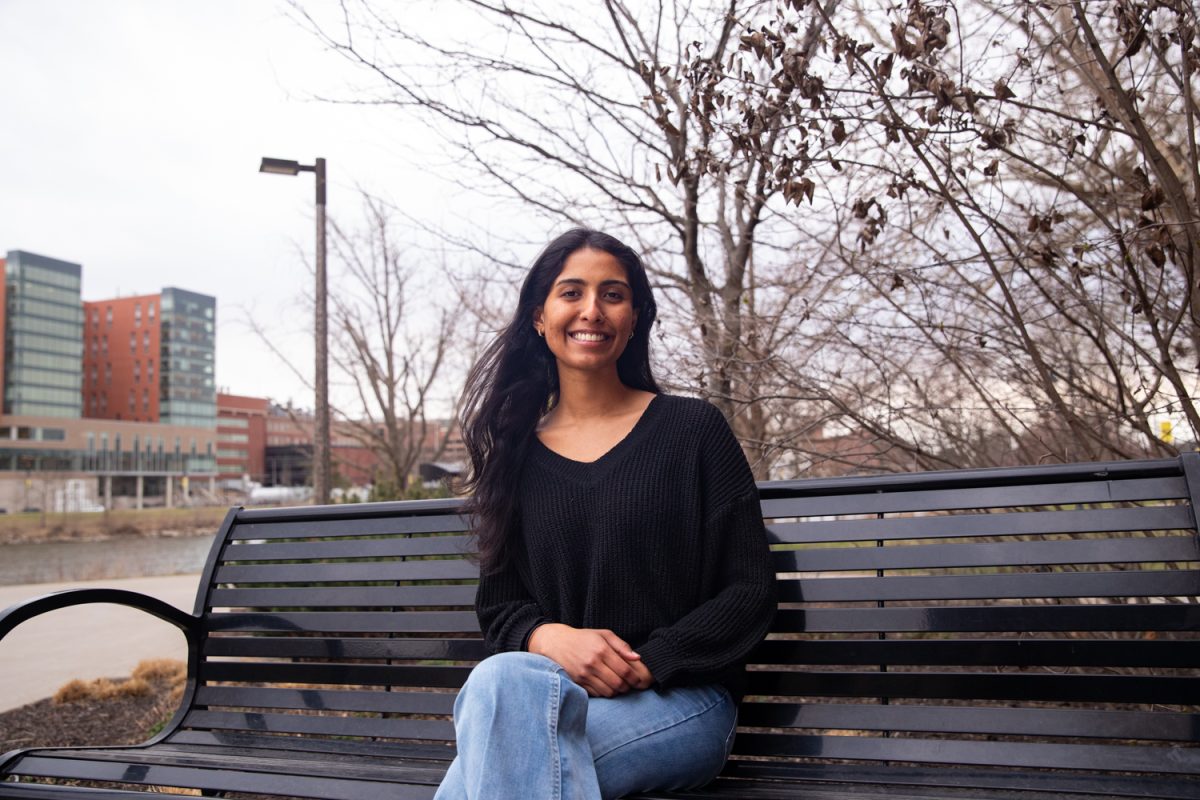
Avishma Muthyapu, a third-year UI biomedical engineering student, is the co-founder and president of the chapter. She said her academic interests and personal relations have inspired the trajectory of her mission to solve major health issues such as lung cancer.
“Disciplines between engineering and medicine overlap a lot, and I just kind of wanted to be part of both, where I am helping build a machine but also using them later in life. I feel like that would make me a good doctor later on,” she said. “I’ve had a lot of people in my life who are very close to me who have cancer. So even if I could contribute 1 percent to any research, I’d feel a little bit better.”
According to the Centers for Disease Control and Prevention and the National Cancer Institute State Cancer Profile, Johnson County has a lung cancer incidence rate of 27.1 across all age groups, races, and sexes.
Muthyapu discovered the institute through mutual friends from other universities and later decided to open a chapter at the UI. She hopes to spread as much awareness as possible on lung cancer screening in the greater Iowa City area.
However, Muthyapu said a negative stigma over lung cancer has limited the amount of progress and help that people who are at risk for the disease can get.
“It’s kind of frowned upon because a lot of people who do get lung cancer, they’ve been past smokers or vapers,” she said. “People are probably like, ‘Oh well, you were smoking, so it’s kind of like you deserve it,’ kind of thing. But that’s not the case. They still deserve care.”
Amya Saxena, a second-year UI molecular biology and biochemistry major, is the other co-founder and co-president of the new chapter.
She said she’s always had a passion to become a surgeon or physician to help those dealing with lung cancer. Like Muthyapu, Saxena believes the stigma of current or past smokers not being deserving of screening is one of the biggest concerns.
“It’s important for high-risk individuals to at least get screened for lung cancer. The earlier you can diagnose it, the better chance you have at fighting it off,” she said.
The initiative’s screening assessment outlines that eligibility in the U.S. includes those in the 50-80 year age range, current smokers, those who have smoked in the past 15 years, and individuals who have a 20 pack or greater year smoking history.
Third-year UC Berkeley student and ALCSI International Intercollegiate Director Sania Choudhary has been the primary liaison helping Saxena and Muthyapu establish the UI chapter.
In her role, she oversees 13 international and U.S.-based chapters and is chair of the international initiatives committee that helps chapters abroad get connected to advisors. Choudhary is working with teams in India and Brazil.
“A lot of these places actually don’t have programs for lung cancer screening, so we’re helping them develop that kind of thing from the ground up,” she said.
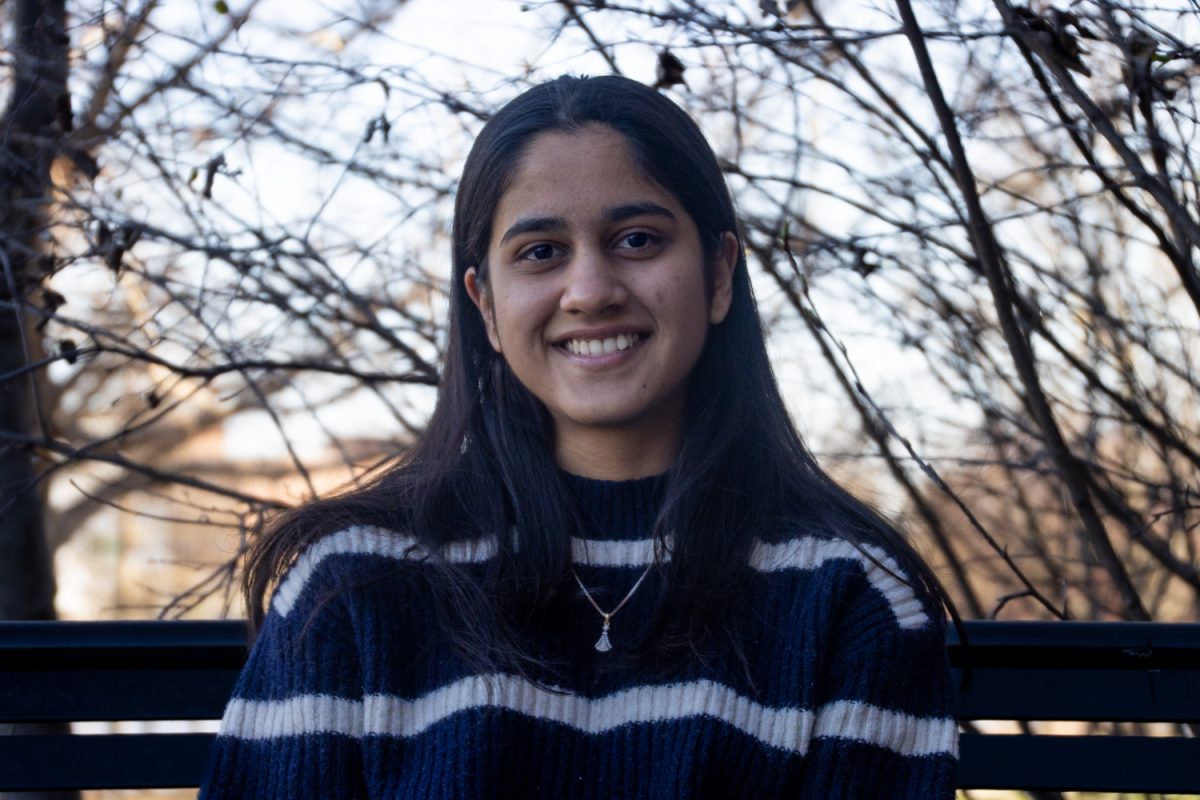
Choudhary said she’s looking forward to the UI chapter contributing to the initiative’s national commitment to lung cancer screening outreach.
“Most people who are eligible for screening actually don’t know that they’re eligible. And the reason that we care so much about that is the survival rate for lung cancer at earlier stages is much higher than it is for those at later stages,” she said
Choudhary said the initiative is trying to make guidelines for screening eligibility more inclusive to women, people of color, and nonsmokers.
The initiative helped draft the Katherine’s Lung Cancer Early Detection and Survival Act, which was introduced to the U.S. House of Representatives in January 2021.
The bill lifts restrictions on screening eligibility for people over the age of 80 and those who stopped smoking over 15 years ago. It also seeks to expand coverage for people at high-risk of lung cancer who obtain a referral from a medical specialist.
Research from the American Society of Clinical Oncology shows physician bias against minorities, specifically Black patients, which sometimes leads to them being labeled as “non-compliant” in following instructions to reduce the effects of cancer. This heavily impacts their eligibility for cancer clinical trials.
“There’s a lot of effort going on right now to make screening guidelines more equitable. Screening guidelines can be very unrepresentative of the general public,” she said.
Saxena and Muthyapu are looking to form a board of committees with various physician mentors and are planning to have future tabling events to increase their outreach and information on screening availability. In April, they are anticipating a Kendra Scott partnership where 20 percent of purchases will be given as initiative donations.
Saxena said advertising these screenings to high-risk individuals plays an important role for members. ALSAC also offers mentoring from physicians, nationally held conferences to network with others advocating for the cause, and exposure to UI Health Care’s cancer screening center.
“You don’t have to be pre-med or even interested in a health career to be a part of ALCSI,” Saxena said. “We’re very open to any sort of majors, any interest. We just want to spread the word.”