


In the world of Pixar’s “Hoppers,” animals don’t stop to question when one of them eats another, nor do they fight back when humans encroach on their habitat. These are just the way things are. That’s just the rules.
Leave it to “We Bare Bears” creator Daniel Chong to find the cutest way possible to tear the status quo to the ground.
The story begins when errant nature lover Mabel commandeers a device that allows her to operate a robot beaver, hoping to restore the population of her local glade and prevent Mayor Jerry from developing a highway. However, things take a turn when she inadvertently convinces them to go one step further and completely rebel against the human race.
The first act is impressively efficient in endearing us to Mabel. A lesser screenwriter would have drawn out the flashback montage into several extended sequences, but the film only takes minutes to make the audience understand why she cares so much about nature — and thus, why we should care.
RELATED: Review | Pixar’s ‘Win or Lose’ is a home run in empathy
It’s well known by now that Disney and Pixar films are apt to give their protagonists deceased family members as motivation. The brisk opening minutes reveal that to be the case once more, and there’s definitely a version of this movie that could have skewed closer to something like “Up” in driving home this emotional beat to the fullest. However, I appreciated the change of pace. The film captured the beat it needed and moved on, trusting the audience to feel without forcing them to.
Besides, “Hoppers” isn’t the kind of film you watch in hopes of recapturing how it felt to watch the studio’s classic original films. Rather, it continues the trend set by recent works like “Turning Red” and “Luca” in telling fresh, unique, and deeply personal stories from newer voices in animation.
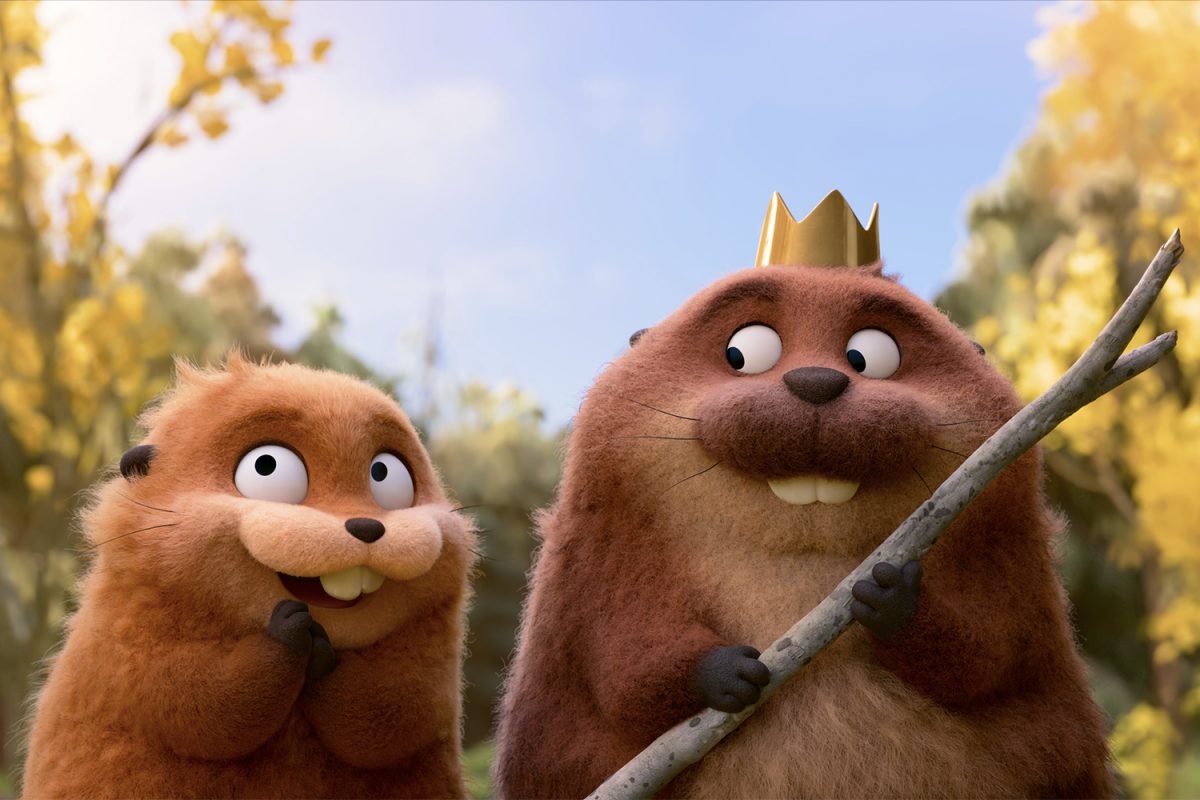
“Hoppers” contains some of the most charming animal designs I’ve ever seen in a computer-animated film. They frequently forgo realism in favor of simple, brightly colored creatures that harken back to the great animal films of Disney’s past. The animals are so endearing, in fact, that it’s hard not to want their uprising to succeed.
Chong’s style of deadpan comedy that was present in “We Bare Bears,” finds its way into this film too. Fans of the show might also spot voice cameos from its cast members, including comedian Demetri Martin as a flock of birds. This sense of humor is an acquired taste, and the jokes are often hit-and-miss, but when they land, they really land.
Against all odds, the central premise is explored to the fullest. Every animal within reason is represented, every character choice and plot escalation feels natural, and the second and third acts lead the narrative along a series of turns that raise the stakes in surprising ways. A particularly inspired set piece involving a shark named Diane is just one standout example.
With themes of environmental preservation and finding common ground when working for solutions for all, “Hoppers” is more relevant than ever. It’s also a total blast that offers both a unique new tone for Pixar and upholds the great tradition of talking animal pictures, proving once again that there’s still more than a place for original animation in Hollywood. These are all beautiful things, well worth the price of admission.