


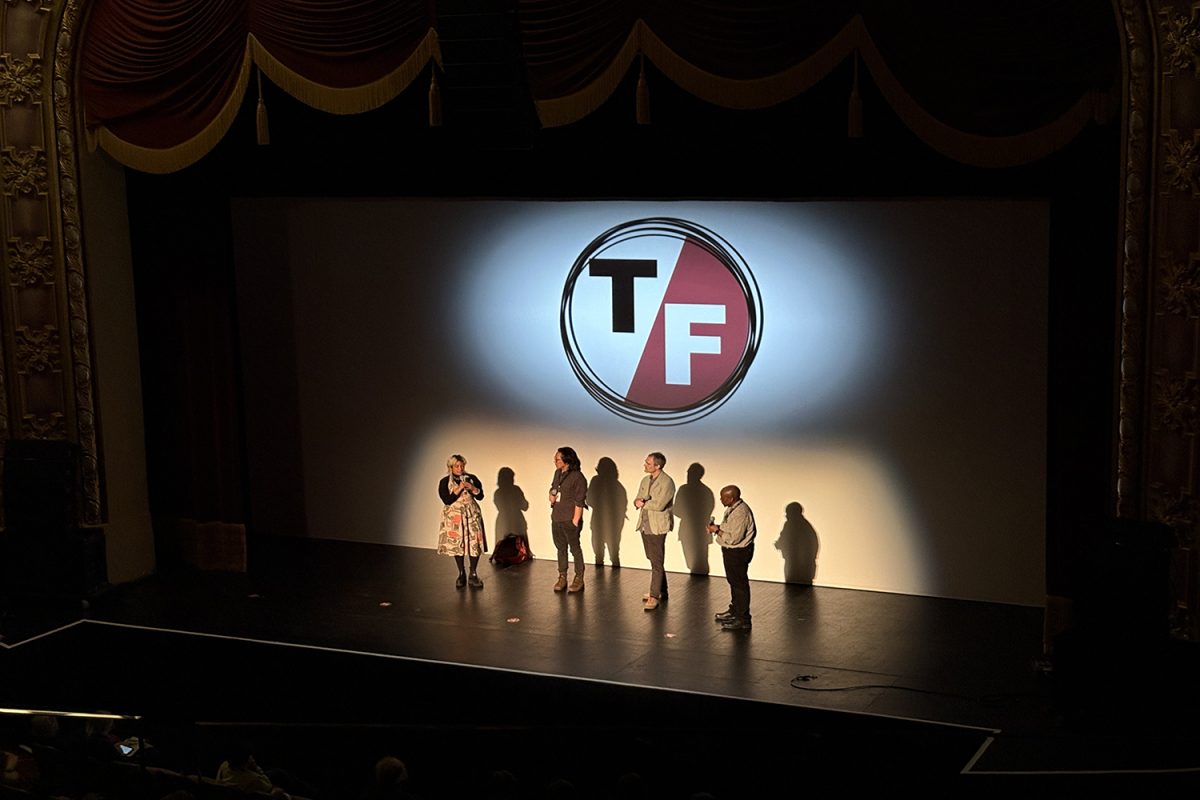
COLUMBIA, Missouri — Over a drab, cloudy weekend in Columbia, Missouri, the True/False Documentary Film Festival injected color across the downtown area as flocks of lanyard-wearing filmgoers booked it from theater to theater to catch the latest in international nonfiction filmmaking.
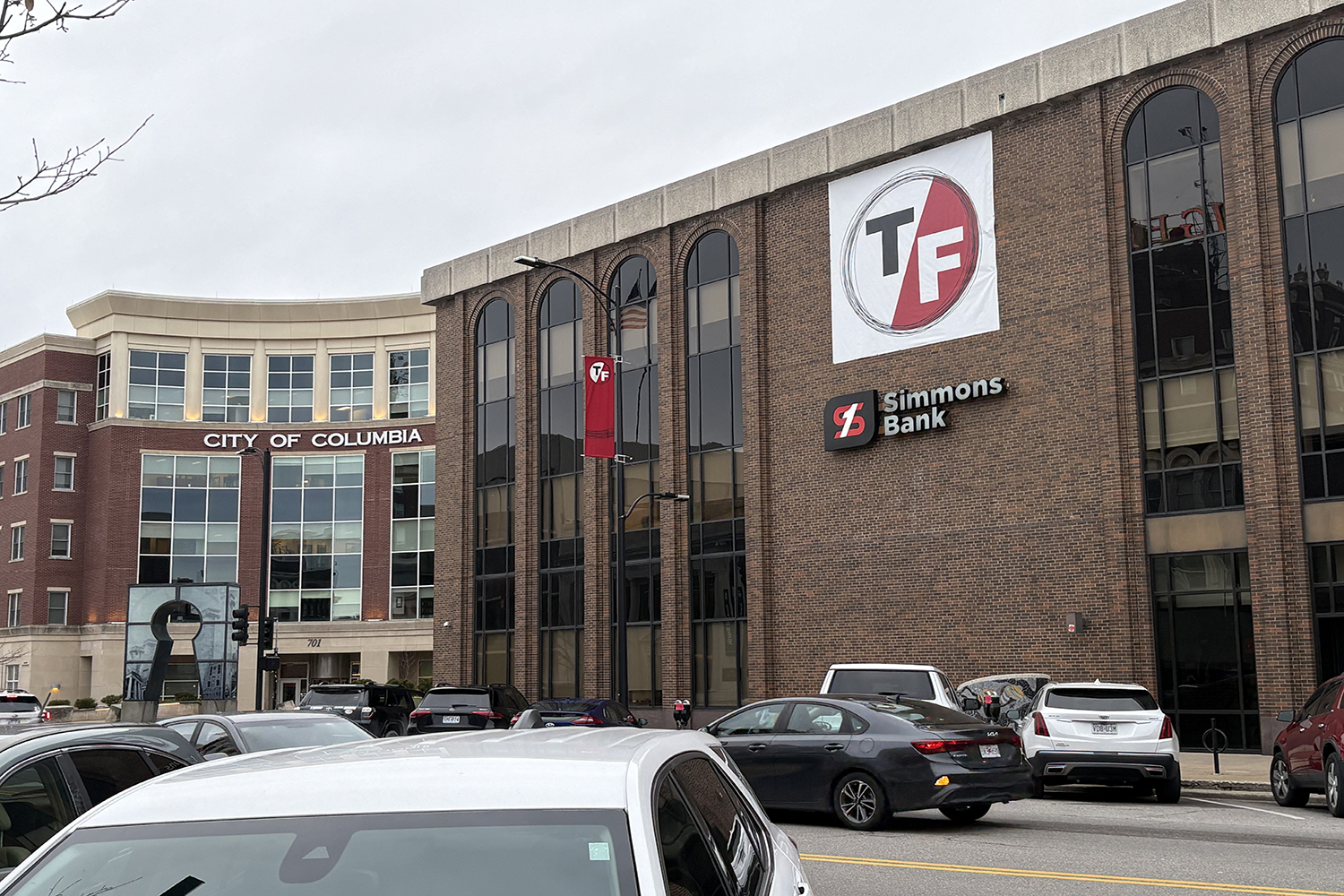
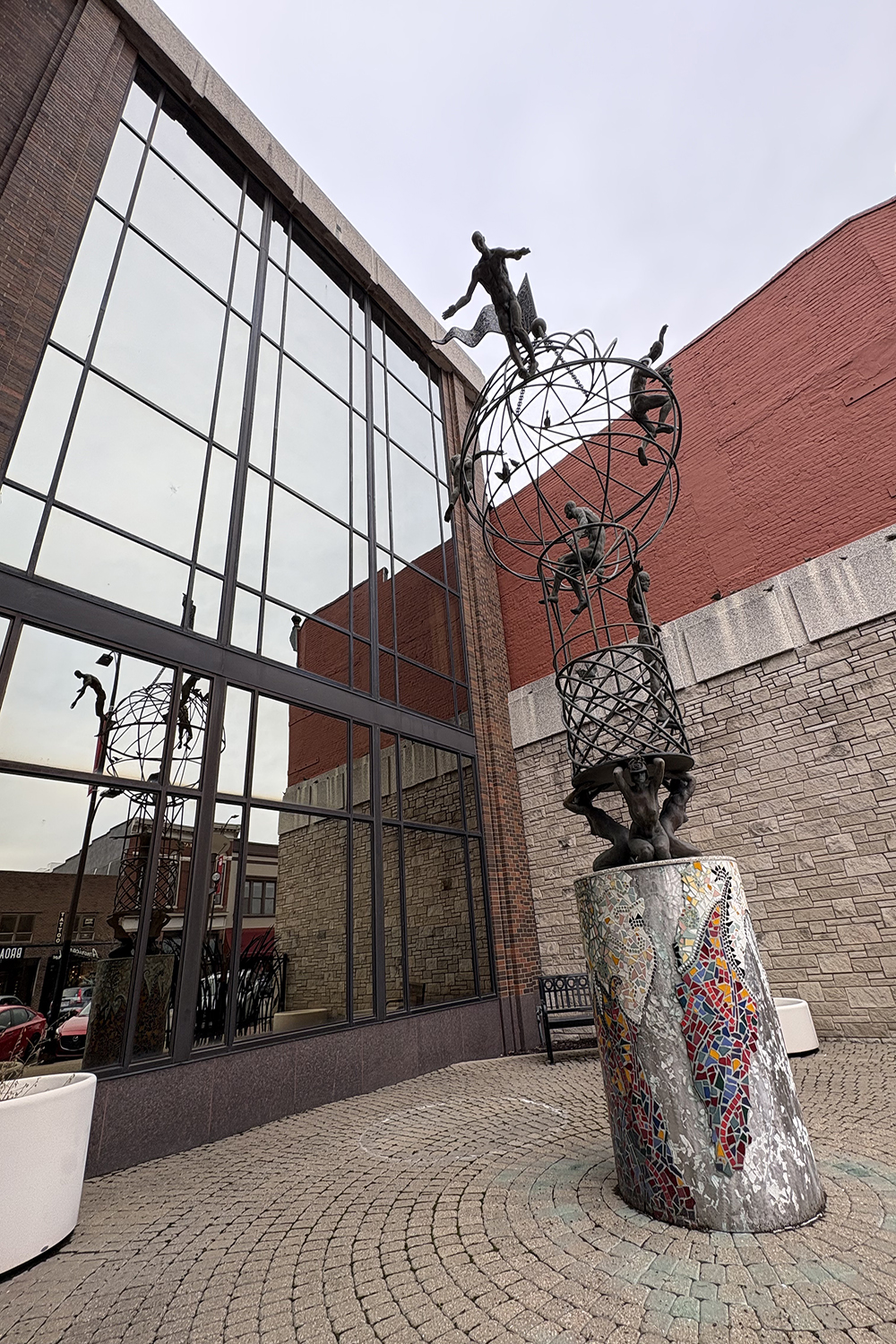
Now in its 23rd year, the festival truly transforms downtown Columbia. Seemingly every street featured hanging flags with the festival’s logo, banners, stickers in business windows, and even a statue.
This was my first experience traveling specifically to attend a film festival, which built an extremely fun atmosphere on the ride down to Missouri. While I’ve attended and volunteered at FilmScene’s Refocus Film Festival locally, this was a larger, more established ordeal.
In my time as the executive director of the Bijou Film Board, I’ve constantly been looking for new opportunities for the organization to grow. When the option to travel to Columbia accompanied by two of my fellow executive members arose, I couldn’t say no.
Each of us were there to watch movies, of course, but also to identify how the Bijou Film Board can better support Iowa City’s film festival and how a university can better support a film community.
For such a small, sort of remote, city, I was pleasantly surprised by how lively the community felt once the films began on March 5. Standing across the block from The Blue Note, where my first film of the evening screened, I panicked seeing the ticketholder line stretch around the corner of the block.
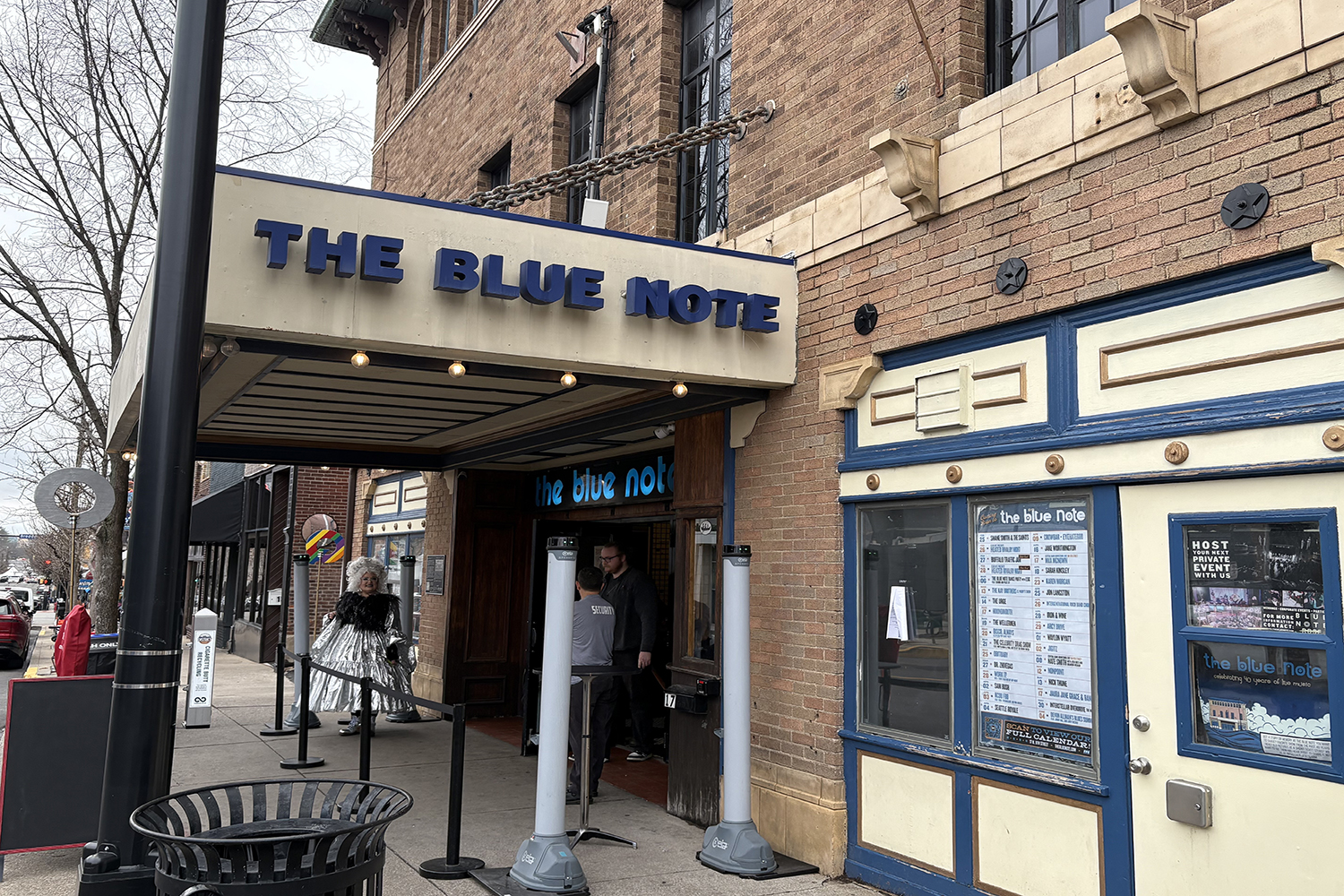
Fortunately, the True/False staff have been doing this for years and have the ticket system locked down. All passholders’ tickets were tied to their lanyards, but like me, sometimes people skip a movie to explore the city or grab a bite, so there is a standby line for anyone to buy a ticket close to the screening’s start time.
It was super comforting to know all my tickets were around my neck and that I’d always have a seat, even if I was running a bit late getting from my hotel to the city in the mornings.
“The Bend in the River” by Robb Moss kicked off my festival and set the tone perfectly. Every 20 years, Moss, a documentarian and Harvard professor, has checked in on his college friends to see where they are in life.
Despite not having seen Moss’ previous films, I felt connected to him and his friends immediately. Shot over the span of nearly 10 years, the symmetrical feel of the story was impressive.
Moss gathered footage without an arc or narrative in mind, but this final product shapes his friends’ lives into a cohesive story about approaching the end of their lives and reflecting on the meaningful relationships they’ve fostered.
After a quick stop at Shakespeare’s Pizza downtown, I grabbed a seat at The Picturehouse, a movie theater set up in the basketball court of Columbia’s Methodist Church. Here, I saw “Seized,” the new documentary from Sharon Liese, following the illegal police raid on the Marion County Record in Kansas in 2023.
While any documentary about journalism is like catnip to me, this is one of the better ones I have seen. Liese began filming the aftermath of the raids mere days after they happened and filmed in Marion for two years with a small crew. The most genius stroke of storytelling in “Seized” comes from the decision to set Flynn, a young new reporter at the County Record, as he adjusts to rural small town life after moving from New York City.
Acting as the audience surrogate, Flynn questions the animosity between the small town and the newspaper and offers much-needed objectivity to a story full of personal grudges and micropolitics. At the end of the day, the film was an entertaining examination of a microcosm of the country that represents a broader lack of trust in the media across the country.
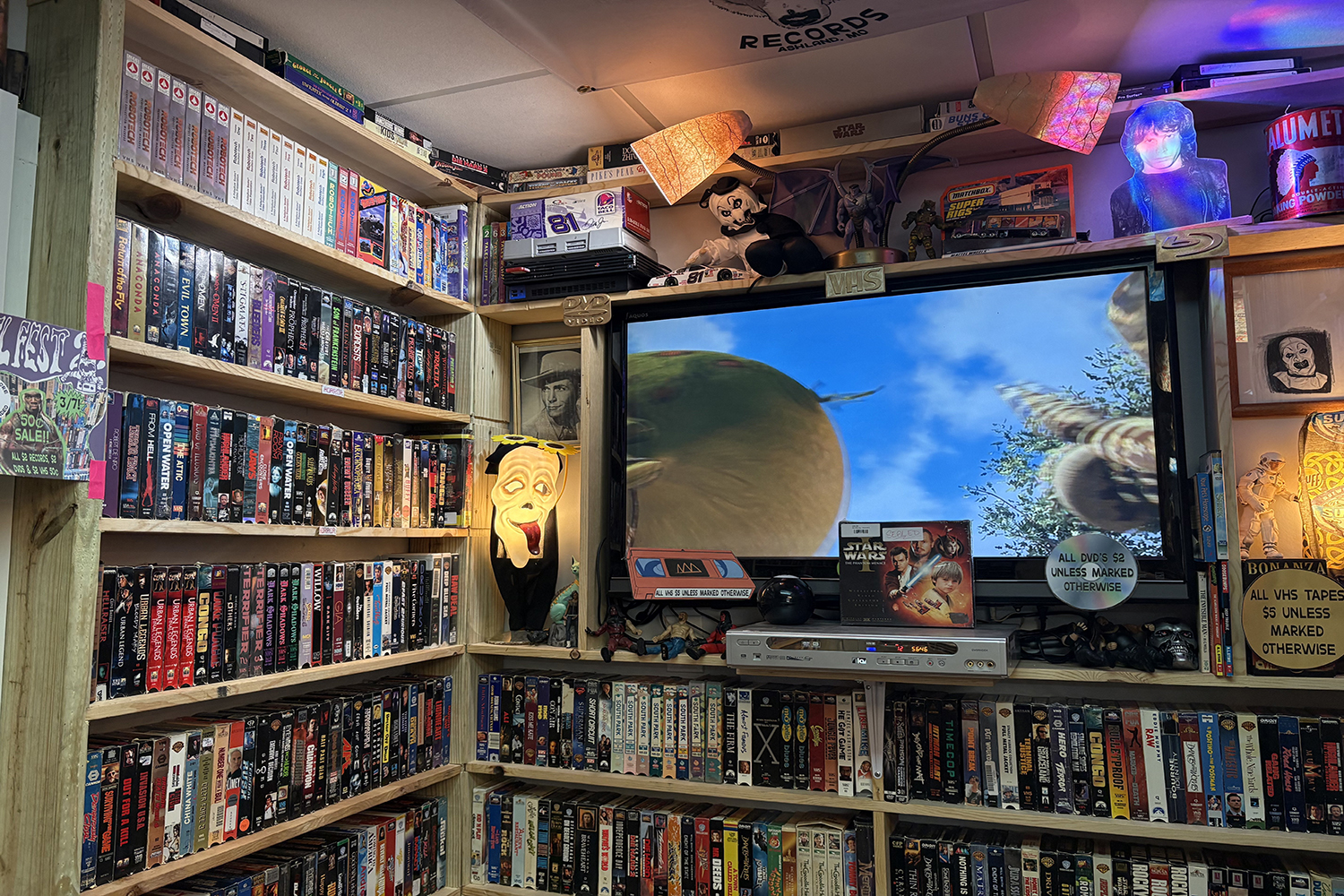
The following day, I caught five international short films that were very impressive. After that, I decided I needed a break from sitting in tight theater seats and explored the city. I discovered a charming comic book store, Rock Bottom Comics, and a tucked-away record store, King Theodore Records, that also carried movies. I ended up spending far too much time perusing endless shelves of DVDs and Blu-Rays and came away very happy to check off a couple of titles on my far–too-long collecting wishlist.
After this brief intermission, I caught “Closure,” a Polish documentary about a man obsessed with searching for his missing son. While authorities deemed the disappearance a suicide, a body was never recovered, and the family was never provided the emotional resolution they needed.
It was a harrowing and powerful movie about grief, but at that point in the day, it came across a bit too long and wore on my patience toward the end.
After that, though, I saw a way more chill and not at all stressful movie called “The Great Experiment,” which documented vignettes across the U.S. from 2017-2021. A team of cinematographers, who at a post-show Q&A said they were meeting each other for the first time, documented anyone they could throughout the first year.
Without a narrative and instead playing like a snapshot of loosely thematically connected scenes from across the political spectrum, the film didn’t really express anything new about polarization under President Donald Trump.
I was still moved, and my liberal documentary lover sensibilities were just astonished that filmmakers would embed themselves with such vile and absurdly right-wing people for the sake of the project, but I wanted a more profound thesis from this movie that ended up feeling sort of outdated.
My night concluded with the world premiere of “Landscapes of Memory” in the Windsor Auditorium, the most distant theater from the city. I trekked through a thunderstorm to make it to Leah Galant’s incredibly raw personal portrait of her family’s history with the Holocaust, her journey studying remembrance culture in Germany, and the interaction between Jewish and Palestinian trauma.
This was my favorite film of the festival. I was struck by how nuanced the film was in its conversations about Germany, and by extension, many Western nations’ insistence on ignoring Palestinian struggle as an overcorrection to the pain the world’s Jewish population is still feeling in the generational aftermath of the Holocaust.
By zooming in on her family, and specifically her father’s trauma, Galant posed some extremely urgent and universal questions about how we remember atrocities and who we remember for.
On the final day of the festival, before our Bijou crew set off to return to Iowa City by way of gravelly Missouri backroads, I attended an early morning screening of “Who Moves America” at the historic Missouri Theatre.
This was a fantastic way to end my killer streak of movies, as it was an uplifting portrait of the power of unions. The documentary followed the 2023 contract negotiation between the national Teamsters union and UPS.
Filmmakers profiled and followed workers at several UPS warehouses around the country and documented the fight for better wages, air conditioning in delivery trucks, vacation days, and more. Despite knowing the outcome from this relatively recent news event, I was still gripped by the thriller-esque pacing and found myself rooting for things I already knew would happen.
After the film, several of the UPS workers and union members took to the stage in an emotional Q&A that really left my heart warmed as I stepped into the windy, bitter Missouri weather for the car ride home.
While I wish I could’ve stayed for the entire week to see every offering at the festival, I was extremely satisfied by my lineup of films, which oddly enough all shared some thematic relevance to aging and maturing, whether as a person or as an institution.
Learning how to schedule out the trip, balancing screening times, and finding the ideal lunch spot, while weaving through huge crowds, was a great experience and something I would love to do in the future. It was fascinating to watch how a large, established film festival operates, and I can only hope the experiences we had can be used in Iowa City to expand our presence in the international film community.