


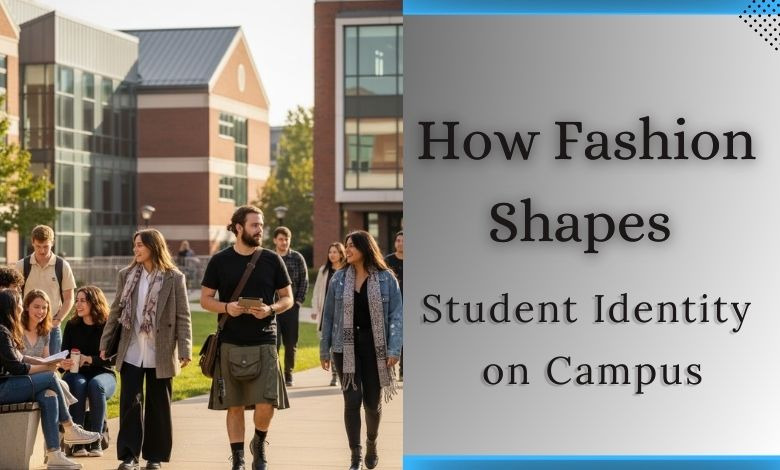
Campus life is not just about education. It shapes how students see themselves and how others see them. Students make choices signalling independence from the very first week of classes. Fashion has a quietly influential role to play in that process. Long before friendships or reputations have really begun to solidify, clothes are part of that everyday communication.
Unlike social media profiles, campus fashion feels immediate and real. Students move through shared spaces where appearance sends signals about confidence, values, and belonging. These signals matter, especially during a period when identity remains flexible.
First Impressions Start Before the First Conversation
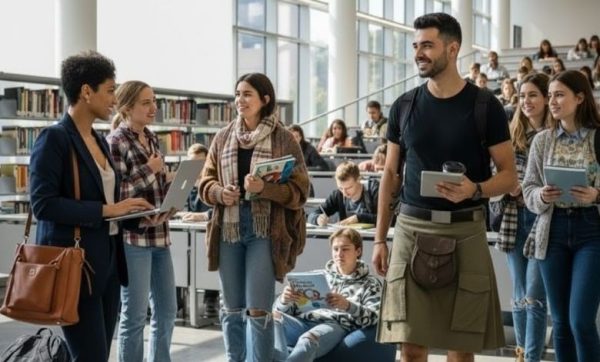
First impressions often happen without introductions on campus. Clothing establishes standards in the classroom, library and social areas. Students use style to express seriousness, creativity, or ease. Some choose structured looks, while others prefer relaxed outfits to appear open. A leather kilt can also make a statement, showing confidence and practicality at the same time. These choices rarely happen by accident. Students experiment with style as they adjust to new freedom. Clothing offers control in an environment filled with uncertainty. Research in fashion psychology shows that appearance influences how people judge competence and confidence
Clothing as a Tool for Belonging
Universities host many different social gatherings, and students look for small signs to find people with similar interests or views. Clothing lets students show where they fit without saying anything.
Athletic wear, artistic layering, or minimalist outfits each suggest different social directions. These signals help students navigate unfamiliar spaces faster. At the same time, fashion allows subtle independence. Students can belong without blending in completely. This balance defines much of campus culture during early adulthood
Confidence Builds Through What Students Wear
Day-to-day wardrobe decisions influence how students go through their day. Focus and ease are supported by comfortable, well-chosen clothes. And the more students are comfortable and confident in their appearance, the more they participate. This self-assurance is reflected in the classroom and social interaction.
The idea of “enclothed cognition” explains this connection. What people wear influences how they think and act. Studies confirm that clothing impacts confidence, self-control, and performance in learning environments
Practical Style Fits Campus Reality
Modern student life involves long days and shifting responsibilities. Classes, work, commuting, and social time often overlap. Fashion responds to this reality. Students prefer clothing that handles movement, storage, and durability without sacrificing identity.
Functional pieces gain attention for this reason. Designs that combine structure with comfort reflect how students live today. Some students choose items like a leather kilt because it offers utility while still allowing personal expression. These choices show how fashion adapts to real campus needs rather than trends alone.
Cultural Exchange Shows Through Dress
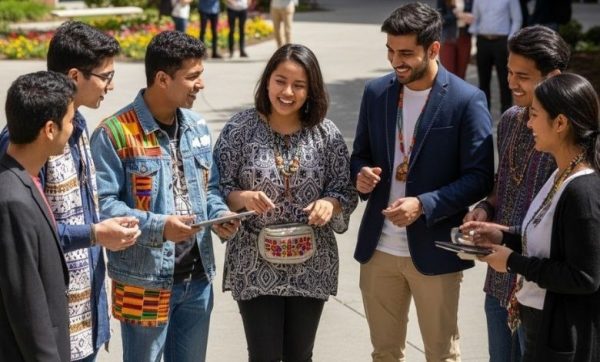
Universities bring together students from many countries and backgrounds. This mix influences campus fashion naturally. Students share styles tied to heritage, then adapt them for daily wear. Traditional elements appear alongside modern pieces, creating unique blends.
This exchange encourages acceptance and curiosity. Students learn about each other without formal discussion. Clothing becomes a respectful way to carry culture into shared spaces. For many students, fashion helps maintain identity while building new connections.
Gender Expression Feels More Open on Campus
Campus environments often support social change. Fashion reflects this openness. Students increasingly reject strict gender rules in clothing. Many choose styles based on comfort and self-definition rather than labels.
This shift allows more honest expression. Clothing no longer limits identity. Instead, it supports it. Some students gravitate toward non-traditional garments because such pieces resist narrow definitions and allow freedom of movement and presence.
Values Now Influence Fashion Choices
Today’s students carefully consider what they wear and why. It’s sustainability, quality and longevity that matter more than constant trend changes matter more than constant trend changes. A lot of students like to have fewer things that last a long time and serve more than one purpose.
These options indicate a growing awareness of environmental and ethical issues. Fashion becomes a reflection of responsibility as well as taste. Students use clothing to show care for impact, not just appearance.
Why Campus Fashion Still Matters
Fashion on campus does more than follow trends. It shapes confidence, community, and personal growth. Students use clothing to explore identity, test boundaries, and express values during a defining life stage.
As campuses continue evolving, fashion will remain part of that journey. It supports quiet self-discovery through everyday choices. What students wear becomes part of how they learn who they are.