


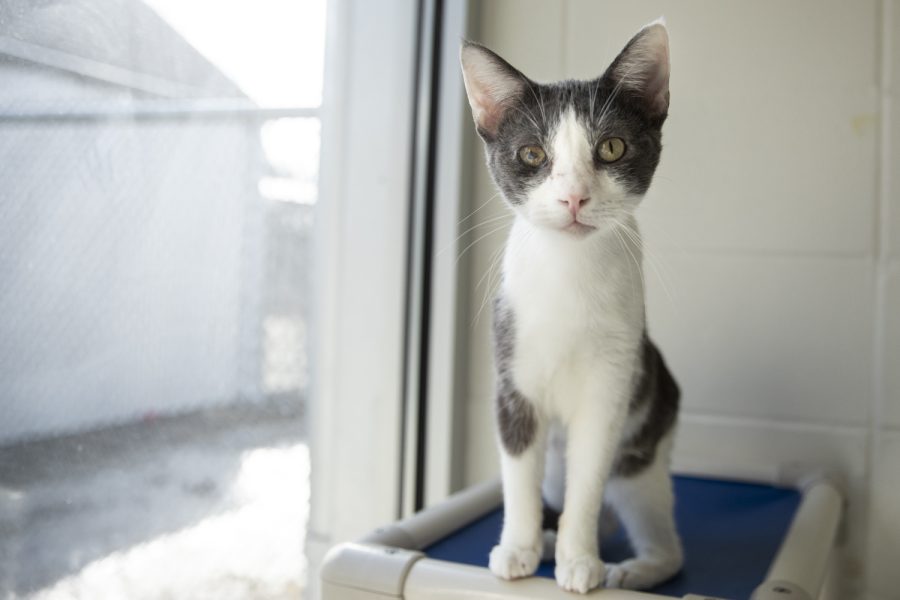
More regulations on adoption
Sammy and Jedi were raised from kittens alongside me and my brother, but became so emaciated as a consequence of my parents’ binge drinking they had to be put down. I wasn’t told of their fate until years later.
When I was told, I thought back to how Jedi used to let me lay my head on him like a pillow when I was afraid. Sammy, the eldest kitten, would come and check on us anytime we cried — drying our tears with his cow-like, patterned fur.
They were the foundation of my love for animals, and they deserved better; they deserved to be cared for properly. Instead of a good home, they were given to two very damaged drunkards and children so small they couldn’t reach for the cat food.
A background check would have revealed the troubled history of the family they were going to. In fact, we managed to go through several more animals after that. They didn’t die but were often given away after a particularly bad relapse.
It is beyond wishful thinking to assume everyone can be a good pet owner. We accept the fact not everybody can be a parent of a human child, so not everyone should be allowed to adopt a pet. Precautions should especially be considered for college students.
The process of getting an emotional support animal, or ESA, letter is simple. One has to establish a relationship with a therapist for 30 days to ask them to write you an ESA letter, according to Iowa Senate File 2268.
I’m not here to argue against ESAs entirely, but the process of vetting an owner needs to be more rigorous beyond just 30 days.
People need to reflect on whether they can take care of an animal. Getting a pet won’t solve all your woes; instead, it might add a new facet of stress to your life. According to Human Animal Support Services data compiled by Heather Kalman and Angela Gates in 2023, 9,210 animals out of 313,518 intakes were returned.
Young adopters should be required to attend at least a few short training programs before or after adopting an animal so they can learn how to care for the animal properly and understand what they’re signing up for.
Currently, training programs aren’t mandated under Iowa law but should be required by adoption centers before anyone under 21, at least, is allowed to adopt. According to the American Rescue League of Iowa, the legal age to adopt is 18 years old.
Caring for a living creature is just not for everyone; it’s truly not for most people, especially young, busy college students.
Men outnumber women 4-to-1 in almost all types of animal abuse, according to a 2024 study by Mandy Sleight in USA Today.
This information is also supported in a study by the International Association of Human-Animal Interaction Organizations stating nonsexual abuse of animals is more likely to occur in men between 20 and 35 years old.
USA Today also reported neglect as the most common type of animal cruelty. When my two cats were put down, they had been starved for so long their ribs poked through their leathery skin. It’s a horrific image I won’t forget.
College students are more likely to neglect their pets with busy lives and a limited budget, so they need to ask themselves if they have the time and resources to care for a living and
emotional creature.
If there’s even a shred of doubt in your mind, stick with a pet fish.
More students should adopt
I can’t recall the number of times my dog, Luna, was able to pull me out of a funk when my mother couldn’t. But I know it was a lot.
It more or less goes the same every time. It’s always in the evening, when the weight of the world comes crashing down on me, whether it be body image, the inability to live up to wild self-set expectations, a bad grade, or relationship problems. No matter the cause, my anxiety and depression can spin anything into a consuming void of emotion.
My mom will try to comfort me while I sob and shake, offering comforting words and logic I’m blind to. But then she suggests I see Luna. Or maybe Luna walks into my room to check on us. Suddenly, I’m no longer paralyzed and able to pull myself out of bed to sit with her on the floor.
She’ll kiss away my tears with her nose and let me hug her as long as I need. She asks for nothing in return, doesn’t say anything — at least in any language we understand — and yet she is often the only one able to bring me down from the height of irrational emotions. Sometimes I’ll fall asleep on the floor with her when all the emotional turmoil has rendered me exhausted. There’s something transcendental about the ability of animals to care for and comfort their owners.
Emotional support animals are beneficial and necessary, especially for college students who may be struggling with all the same problems consuming me. College is stressful enough on its own, let alone with the implications of adulthood, relationships, and economic concerns. Restricting access to ESAs risks preventing someone who could truly benefit from emotional support from obtaining a furry friend.
“I brought my cat Matilda, or Tilly, with me to school this year, and she has helped me tremendously. She’s my little piece of home while at school, which brings me comfort and in turn helps keep my anxiety at bay,” University of Iowa second-year Brooklyn McLaughlin said.
Just five to 20 minutes with an animal can lower the stress hormone, cortisol, while increasing oxytocin, the feel-good “love hormone,” according to a study conducted by Jillian Teo in the International Journal of Psychophysiology.
Furthermore, someone willing to go through the time to set up and attend therapy sessions is already on the right path to aiding their mental health, and I don’t think just anyone would be willing to go through the effort just for a pet.
Some days, I struggle to get out of bed. The task of brushing my teeth often lords over me. It’s difficult to care for myself. But when another living thing depends on you, it seems like less of a chore to take care of them and yourself.
A dog will let you know when she needs a walk. A cat will come find you when it’s time for dinner. And while you’re up and moving around, you might as well eat something or take a shower.
Not everyone is fit to care for a living thing, and it’s important to recognize our own limits may hinder pet care. It’s important to determine whether you are completely disabled by the effects of a mental health condition; a pet will not stop this.
“If someone wants to get an ESA, they know what they need and what they can handle, so we should support and accommodate them,” McLaughlin said.
Ultimately, the choice to care for a living thing is a nuanced thing that should be considered carefully.
Perhaps stronger vetting of potential owners could be helpful to help keep animals free of abuse and neglect, but we must be careful in the vetting process not to bar those who truly need the emotional support and companionship of a four-legged friend.