


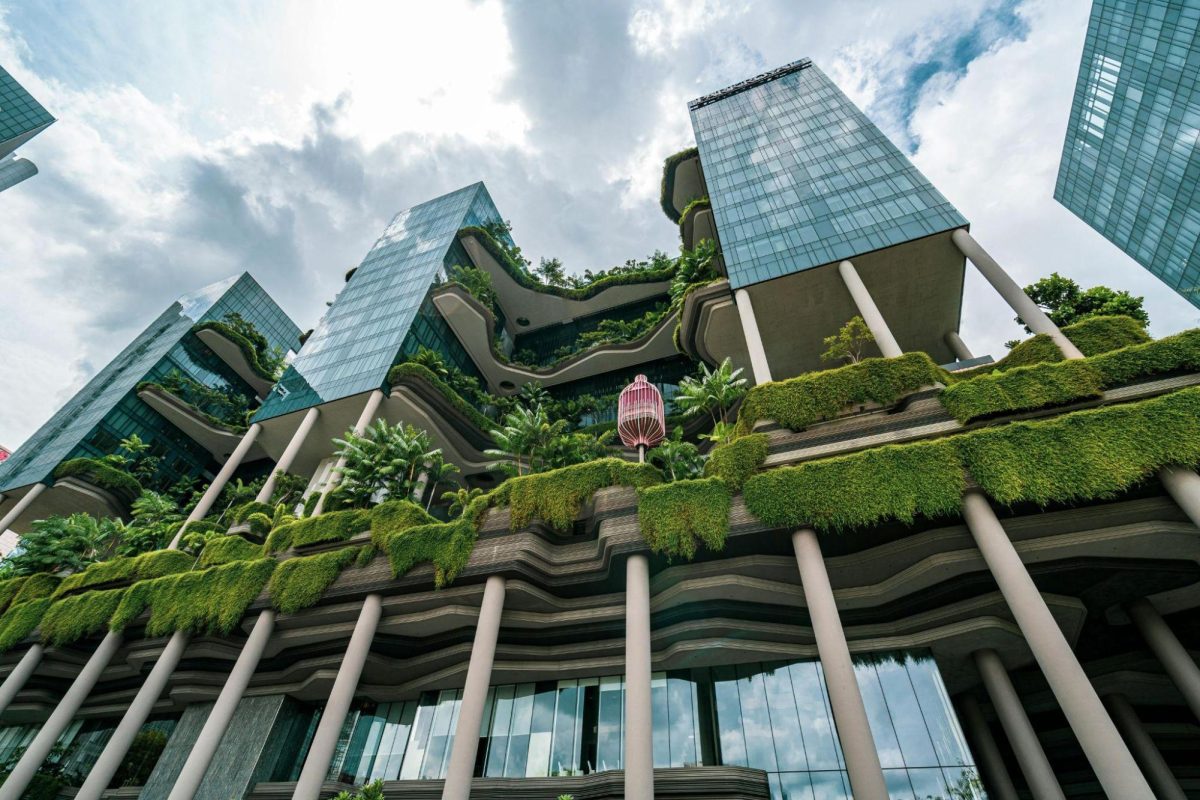
Skyscrapers wrapped in lush greenery. Highways lined with living walls. Concrete jungles cooling down with a burst of fresh, breathable air.
Vertical gardens aren’t just pretty: they’re slashing pollution, cutting energy costs, and bringing wildlife back to the heart of the city. Architects and eco-warriors are all in.
Cleaner air, cooler streets, and a city that actually breathes. These lush walls are quietly transforming concrete chaos into something vibrant and livable.
Curious how vertical gardens are changing the face of urban living? Let’s dig in.
1. Optimizing Space with Vertical Designs
One of the biggest upsides of vertical gardens in urban areas is their ability to optimize limited space. By growing plants vertically, these gardens can thrive in areas where traditional types of gardens might not be feasible. Urban planners and architects often use structures like trellises and lattices to support these installations.
2. Boosting Urban Beauty
Vertical gardens offer an aesthetic appeal that can soften the harsh lines of urban architecture. They add lush greenery to skyscrapers and city parks, creating visual contrasts that enhance the beauty of urban landscapes.
Garden climbers like jasmine and clematis are often used to animate bare walls and trellises, weaving natural patterns into steel and concrete settings. Some cities have pioneered breathtaking green walls that have become landmarks in their own right, drawing visitors from around the world.
For those looking to incorporate similar green elements at home, H Potter offers a selection of sophisticated garden planters and trellises, merging elegance with practicality. These urban green solutions highlight an increasing trend towards sustainable and beautiful city living.
3. Improving Air Quality
Many plants are natural air purifiers, and vertical gardens can significantly improve air quality in dense urban areas. By absorbing pollutants and releasing oxygen, these gardens contribute to a cleaner and healthier environment.
This is particularly vital in cities struggling with pollution and poor air quality. Urban planners are increasingly incorporating vertical gardens into their designs as a step towards more sustainable cities.
4. Providing Insulation and Energy Efficiency
Vertical gardens offer natural insulation for buildings, so you can better regulate indoor temperatures and reduce energy consumption. The layer of plants acts as an additional barrier, keeping city buildings cooler in the summer and warmer during the colder months.
This eco-friendly benefit not only lowers your general energy costs but also cuts down on the overall carbon footprint of urban buildings.
5. Creating Urban Habitats for Wildlife
Incorporating vertical gardens into urban spaces can provide much-needed habitats for
- Birds
- Insects
- Pollinators
- Squirrels
- Bats
- Amphibians
As natural habitats decline, these gardens offer refuge and contribute to biodiversity within city environments. This move towards creating urban ecosystems highlights the importance of coexisting with nature, even in the midst of urbanization.
6. Fostering Community and Wellbeing
Vertical gardens can also serve as community hubs. They provide spaces for residents to:
- Connect with nature
- Garden
- Share gardening knowledge and cultural traditions
- Host small workshops or sustainability events
- Create art or storytelling spaces through plant design
Some community-driven projects have transformed underused urban areas into vertical community gardens, bringing people together and creating more community pride.
7. Flexibility and Customization
One of the remarkable aspects of vertical gardens is their flexibility in design and application. Whether:
- Installed on building facades
- Incorporated into interior designs
- Featured in public spaces
- Integrated into urban agriculture systems
- Used as privacy screens or living fences
- Mounted on balconies or small patios
Vertical gardens can be customized to suit specific aesthetic and functional needs. Architects are continually experimenting with new materials and plant species to push the boundaries of what vertical gardens can achieve.
To see these strategies in action, consider how New York’s High Line: a once-abandoned railway track transformed into a famous elevated park illustrates the power of creativity and green design in urban areas.
Vertical Gardens: Now You Know
By integrating vertical gardens into urban planning, cities can tackle environmental challenges while enhancing urban aesthetics and quality of life. As this trend continues to grow, it offers a promising glimpse into the future of urban living.