Skip to Content
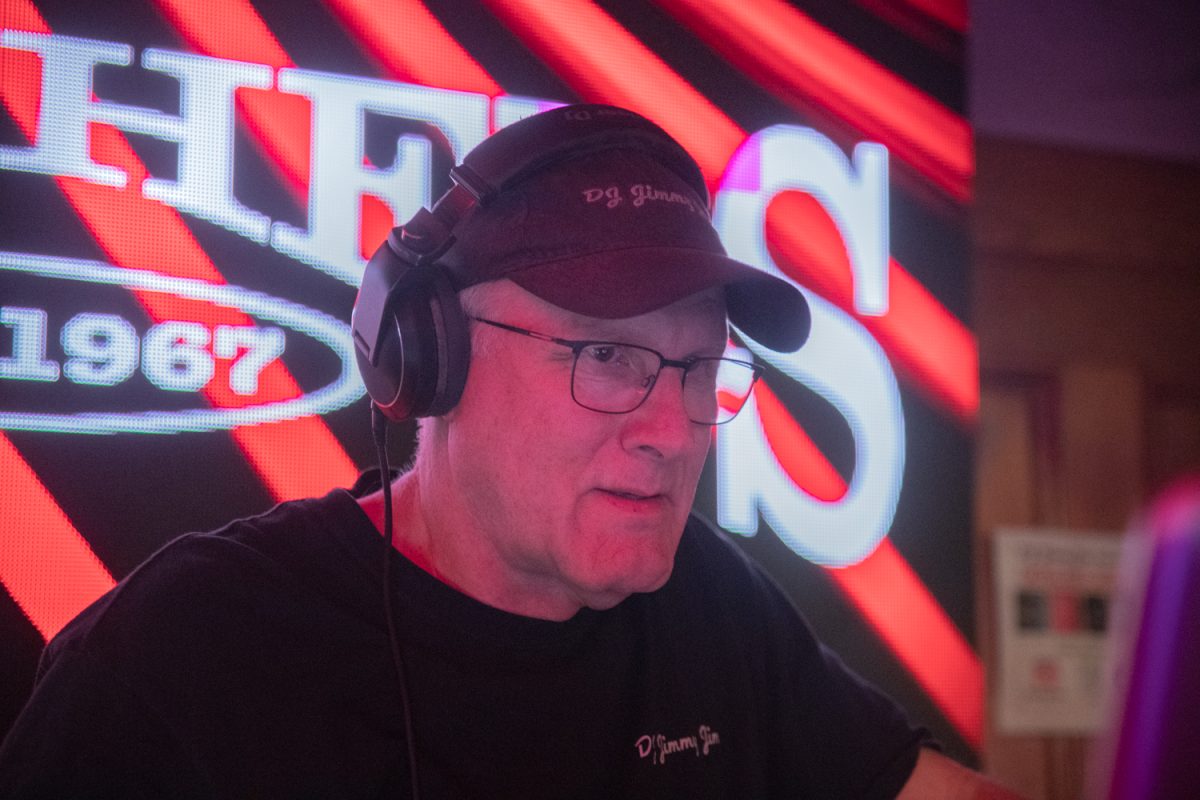
Jim Bollard, known under his DJ name, DJ Jimmy Jim, plays music at Brothers Bar and Grill in Iowa City on Saturday, Nov. 15, 2025. After working at insurance companies like Allied and Nationwide, Jimmy Jim now works as a DJ for various Iowa City bars.
Mitchell Brinkmeyer

Meet the faces behind Iowa City’s DJ booths

Local DJs compete for gigs at Brothers, The Summit, and Scout’s Honor.


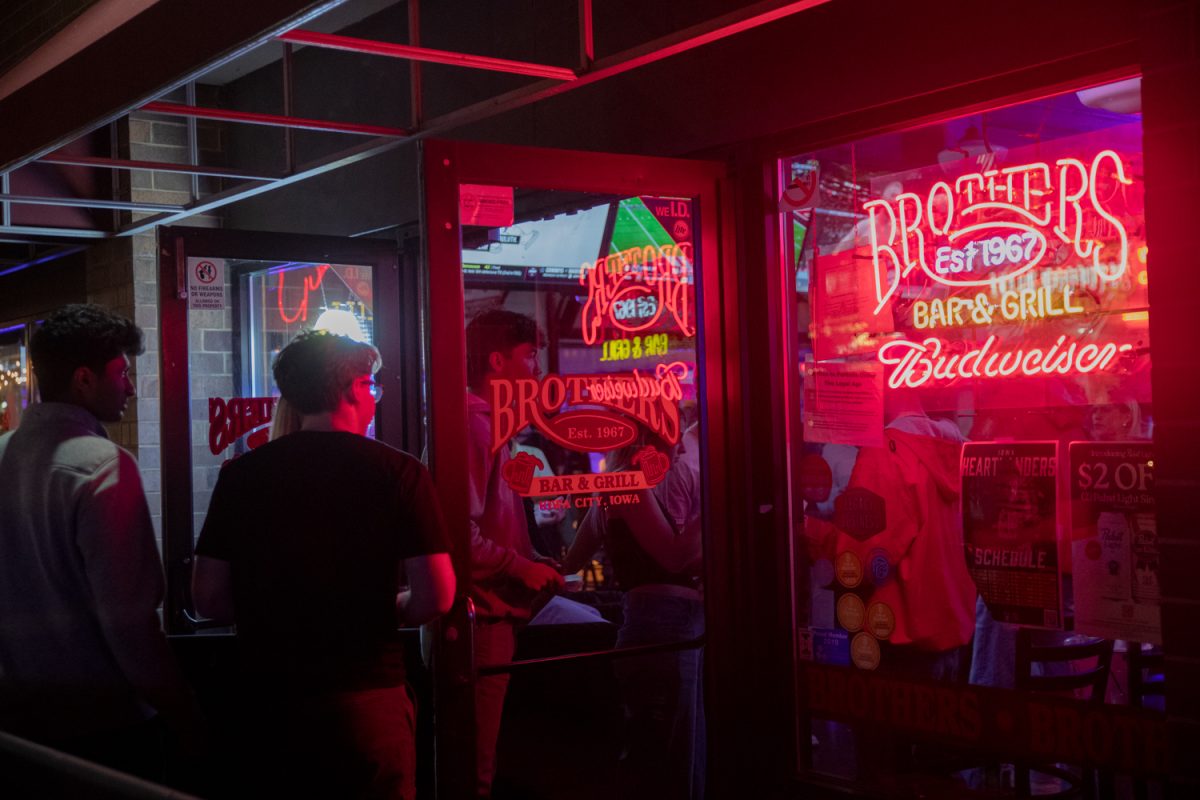
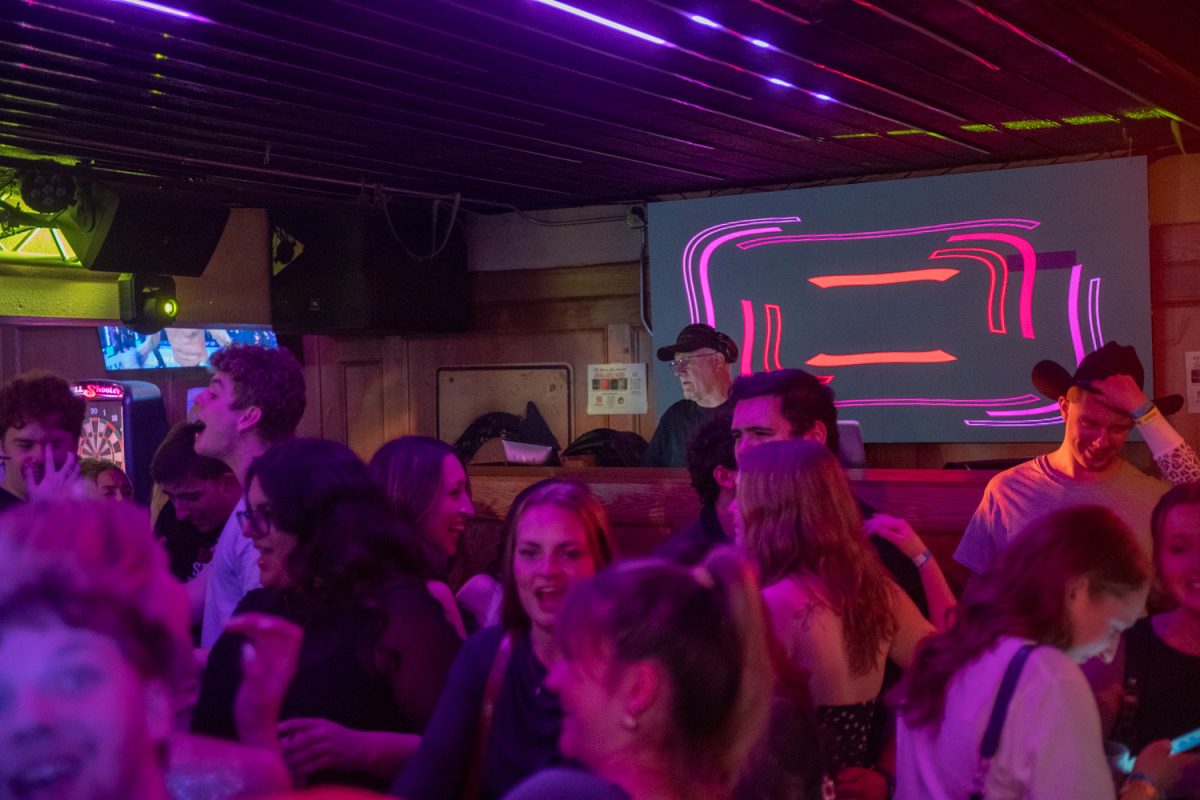
Greeted by flashing purple lights and booming bass, patrons at Brothers Bar & Grill grab a drink and hit the dance floor. And waiting for them behind the booth is one of Iowa City’s less conventional DJs.

Anyone who is involved in the Iowa City nightlife scene has likely heard the name “DJ Jimmy Jim.” 

Whether Iowa City bargoers are busting a move at Brothers Bar & Grill’s Mug Club, grabbing drinks with friends at DC’s Sports Bar, or playing beer pong at an Exile Brewing tailgate, Jimmy Jim is likely to have been the one standing behind the DJ booth.

Jim Bollard, known under his DJ name, DJ Jimmy Jim, plays music at Brothers Bar and Grill in Iowa City on Saturday, Nov. 15, 2025. After working at insurance companies like Allied and Nationwide, Jimmy Jim now works as a DJ for various Iowa City bars. (Mitchell Brinkmeyer/The Daily Iowan)

The white-haired performer has no issue keeping up with contemporary hits and peppering in classic throwbacks. He said his main inspiration for his song selections is just to make people dance. 

“I think Jimmy Jim plays the best music and has the best transitions out of all of the DJs in Iowa City,” Dane Butler, a University of Iowa second-year student, said. 

The man behind the stage name, Jim Bollard, doesn’t fit the typical college-town DJ archetype, but the 70-year-old said he has been embraced and celebrated by younger bar-goers. 

Bollard said he loves the atmosphere in Iowa City and being recognized by fans while walking down the street. 

“I love the young energy,” he said. “I don’t have a lot of friends my age. All my best friends are in their 40s now. I have a lot of fun with the college kids and think I’m one of them, having a lot of fun.”

Bollard has been performing in Iowa City for eight years, doing shows weekly at Brothers Bar & Grill and DC’s Sports Bar on the Pedestrian Mall. Over the years, he’s made a name for himself among UI students and locals. Bollard sells merchandise such as hats and sunglasses that are popular among students, and has amassed over 1,300 followers on Instagram. 

“It’s cool that at his age, Jimmy Jim is a DJ and having fun,” Butler said.

Retired for 15 years, Bollard is now able to DJ full time. He formerly worked in technology as the director of IT architecture for Nationwide Insurance until 2011 but always DJed on the side. 

The Pocahontas, Iowa, native said he has always loved music and started out selecting songs for high school sock hops. In college, he worked for Central College’s radio station in Pella, Iowa, as a DJ and even received a job offer to do sports play-by-play after graduation but turned the offer down.

Retirement has also allowed Bollard to spend more time getting involved with his community, and he currently serves as chair of the Des Moines Parks and Rec board, the Coalition of South Side Neighborhood Associations, and the East Lake Area
Neighborhood Association.

As a Des Moines resident, Bollard has to make the trek to Iowa City most weekends and stay in a hotel. He said extra time during the day, however, gives him time to listen to new music and think about what he wants to play that night.

“Being on the road sometimes can be a challenge,” Bollard said. “It’s not glamorous.”

Bollard said despite the age gap with his audience, he doesn’t have a difficult time finding music to please a younger crowd, and his years of experience have made him good at feeding off an audience’s energy. He doesn’t prepare setlists before shows and instead plays songs based on the vibe in the room. 

“I describe my style as hands in the air, sing-along, female-friendly,” he said. “When I go to a club like Brothers [Bar & Grill], I tell the guys I don’t care what they think. If you have the girls in the club, the guys are gonna be there, so that’s my target audience.”

Now that Bollard DJs full time, he said he can sometimes overwork himself, and it’s challenging to step away from the booth. 

“I’m a very driven person,” he said. “I really don’t take a night off because I don’t want some young kid to come in and take my job. So the challenge for me is my age and breaking that barrier. The first year, I did pretty well, and now, year to year, people kind of know who I am, and they talk about me.”

Young people have started to flood the market in the DJ scene as music artists such as John Summit have infiltrated the mainstream. As electronic dance music, or EDM, and house music have become more popular among teenagers and college students, many memes circulate on TikTok, X, formerly known as Twitter, and Instagram, all with the same premise: Everyone wants to be a DJ. 

These memes often make jokes about the lack of young people entering trades and essential jobs, such as plumbing or carpentry, and instead opting for a career in music production. 

Jim Bollard, known under his DJ name, DJ Jimmy Jim, plays music at Brothers Bar and Grill in Iowa City on Saturday, Nov. 15, 2025. After working at insurance companies like Allied and Nationwide, Jimmy Jim now works as a DJ for various Iowa City bars. (Mitchell Brinkmeyer/The Daily Iowan)

The evolution of dance music

UI musicology Ph.D. candidate Zane Larson said house music and EDM are likely seeing a resurgence due to the current 20-somethings’ nostalgia for popular 2010s artists such as David Guetta. He said trends tend to come around every decade or so, and college students are gravitating toward the popular music they likely heard on the radio growing up. 

“People love looking back, and I think it also connects across generations in a way which I find really cool and powerful,” Larson said. 

House music was created in Chicago in the 1980s as a counter culture to disco, Larson said. Underground DJs started layering faster beats over disco classics, which made the songs easier to dance to. He said dance music and house music also come from historically marginalized and working-class people, namely LGBTQ+, Latino, and Black communities in the U.S.

Larson said house music is coming back in a significant way now because dance music is associated with party culture — a culture dominated by “bros.” The genre has reached a large, predominantly white audience. 

“It shifts to that kind of almost bro-ey culture,” he said. “It’s part of party culture, too.”

Similar shifts have occurred in popular music history with country and rock ‘n’ roll music, Larson said. He said those genres originated in Black spaces and were later popularized by White artists. 

He cited Beyoncé as a musician working to reclaim these genres, with albums such as “Cowboy Carter,” which worked to reclaim country music, and her 2023 film “Renaissance: A Film by Beyoncé,” which was a project meant to reclaim house music. 

Larson also pointed to the digital age as a reason more young people are picking up a laptop and a sound board rather than a guitar.
  He said people are much more tech-savvy now, so learning the basics of sound mixing and transitions is easier than ever.

 He cited YouTube videos and Reddit posts from John Summit before his career took off, in which he showed viewers easy ways to start remixing their own songs. 

“We’ve even seen it since the 2000s — the decline of people just picking up an instrument and playing it,” he said. “I think we’re really inspired by the technology around us, whether we want to be or not.”


Breaking into the market

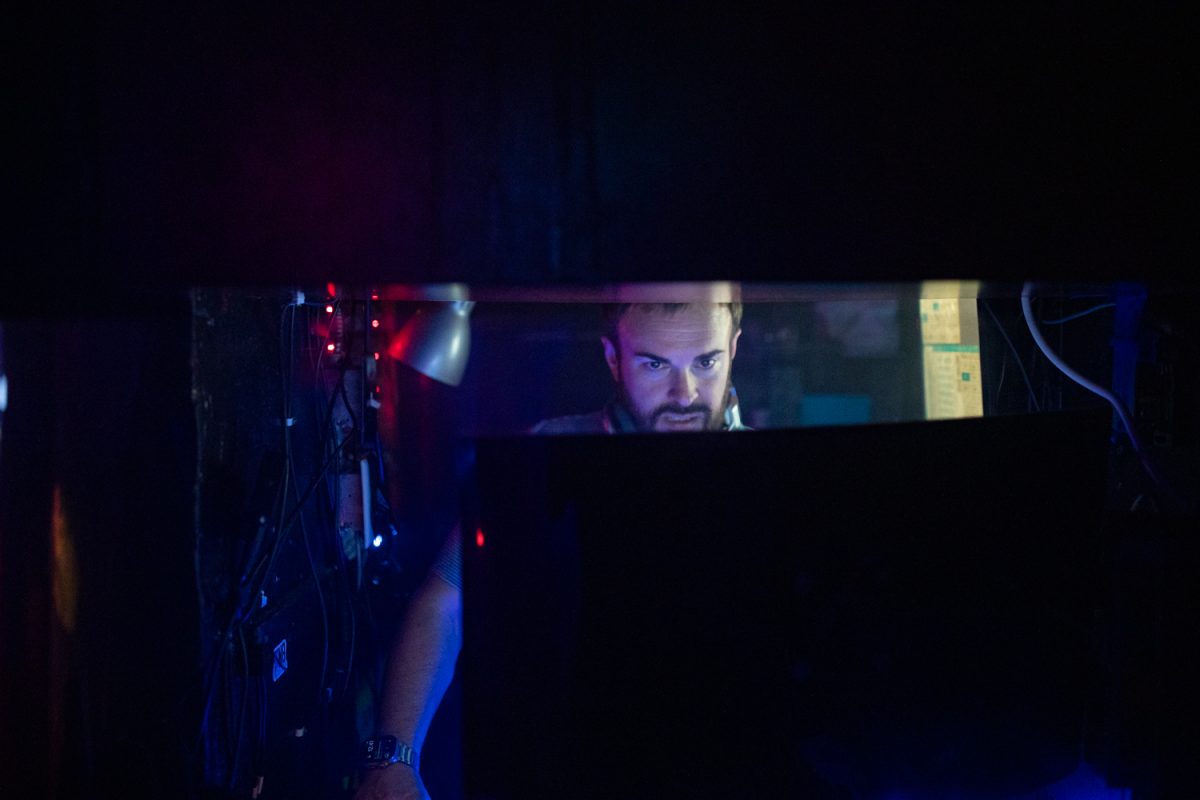
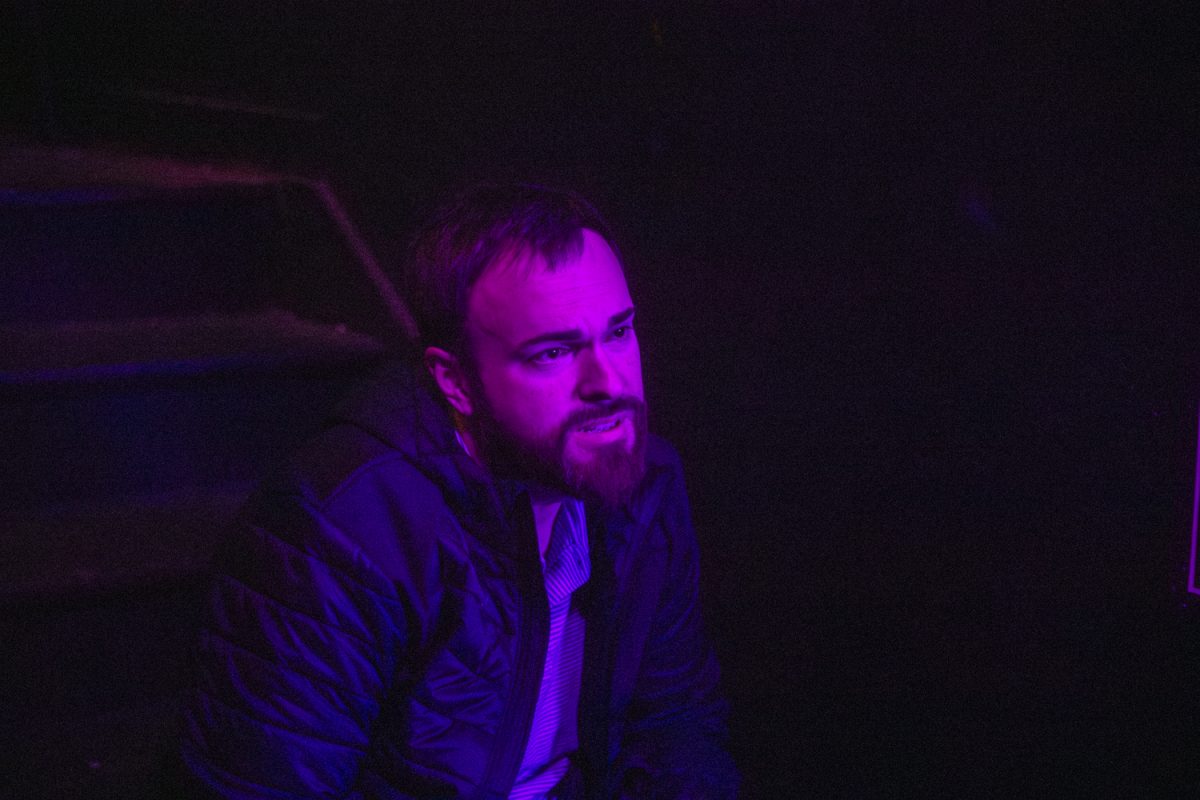
UI fourth-year student Jack Malmed, who spends his weekends DJing at The Summit, said he has recognized an oversaturation of young people trying to get behind the booth since he started doing gigs and works hard to set himself apart from the herd. 

“You put more work in. You’ve got to meet more people. It’s really all about connections,” Malmed said. “Honestly, you could be a terrible DJ, and you could still get booked just because you have the connections. It’s a little hard because some of these influencer DJs are getting booked just because they can bring a crowd.”

Malmed DJs at The Summit on Clinton Street in Iowa City and also works as a club promoter and runs all the bar’s “Electric JungAl” nights. The second floor of The Summit provides a more nightclub-like atmosphere compared to the sports bar on the first floor, and patrons can purchase tickets to see the DJ shows upstairs.

He has also done shows at Scout’s Honor, Coa Cantina, and The Airliner. The UI fourth-year has even taken the leap to performing in Chicago clubs such as Joy District. 

While in Chicago, Malmed was mentored by music producer Smoko Ono, who has worked on music with famous rappers, including Chance the Rapper. He worked with the producer to improve his skills, as Malmed sees DJing as something he wants to
pursue post-graduation.

“What I love about it is just like making people happy,” he said. “It’s my favorite thing watching people dance and just putting a smile on people’s faces.”

Despite the increasingly competitive market, Malmed said he’s happy more people are getting interested in house music, and he’s glad to share the stage.

“The DJ market right now is so crazy,” he said. “Everyone’s trying to DJ, but I love it because I feel like everyone’s getting passionate about similar things. You just have more people to share the love with.”

“What I love about it is just like making people happy. It’s my favorite thing watching people dance and just putting a smile on people’s faces.”

— Jack Malmed, UI fourth-year student and DJ

UI third-year student and local DJ Rob Ciresi said he’s seen similar trends, with more young people looking to start DJing. He said with so many people trying to get their start, it’s become challenging to get a foot in the door.

“For the bars, it’s definitely hard getting in there, just to try and get a spot,” he said. “For them, you’re just a random kid, and they don’t have any way to credit you. But for you, you have no way to break in, so it’s super hard.”

Ciresi currently DJs at Scout’s Honor, The Summit, and The Sports Column, located in downtown Iowa City, but said he got his start DJing at a UI Reach Program event. From there, he was able to get videos of his show to send to bars around town as a reference. 

Ciresi echoed Malmed’s comments about the importance of networking to find gigs in Iowa City but added an aspiring DJ might have to start out working for free to get exposure.  

“You’ve got to take the pay cut, and then it’s just a snowball effect after your first spot,” he said.

Ciresi also emphasized the importance of having fun with the job. He said some DJs think they’re above taking song requests, but Ciresi encourages requests and said he loves seeing people get excited when they hear their song played. 

“I know a bunch of DJs downtown kind of got a high head on their shoulders, thinking they’re too good,” he said. “But for us, we’re playing a college bar for college kids, so we should play college kid music. We absolutely love it, too — hearing everyone cheer.”

For queer DJs, house is forever

DJ N8 plays rave music in his booth at Studio 13 on Saturday, Nov. 16, 2025. The popularity of DJing has increased throughout Iowa City at multiple locations. (Ava Neumaier/The Daily Iowan)

Apart from the DJ scene in most of Iowa City’s bars, Studio 13 is a dance club tucked away in an alley. The club’s head DJ, Nathan Kelley, put it simply: “Studio is the place to dance.”

With its light-up dance floor and intricate light show, Studio 13 offers more of a nightclub environment than the many sports bars in Iowa City.

House music is steeped in LGBTQ+ history, and Kelley said house classics are always on the setlist at Studio 13.

Kelley has been performing at Studio 13 since 2007 and playing house music there for much longer than the recent trends. He said his style is very reminiscent of what is played in Boystown, a Chicago neighborhood home to a large number of
LGBTQ+ people.

“Even when music was going through all the changes, like going back from hip-hop to this to that, and people were jumping around, Studio stayed with it,” Kelley said. “[We] just kept high-quality dance music nonstop through all that. We have a sound. When you go to Studio 13, there’s a certain sound you hear on Saturday nights. It’s been consistent, and I’m proud to have helped keep that consistency going.”

During the day, Kelley is a music teacher in the Iowa City Community School District, and has been able to pursue his love of music outside the classroom. He said he had a friend who was a DJ at Studio 13 in the early 2000s who was able to get Kelley a job.

“I really love current dance music, pop music, so he kind of took me under his wing and trained me,” Kelley said.

Kelley said one of the more challenging aspects of DJing at an LGBTQ+ nightclub is the diversity of the crowd. He said college kids always make up a large portion of the audience on the weekends, but there is a substantial queer crowd, too.

“To be a DJ at Studio, you have to be really good at blending, putting a little bit of something in there for everybody,” Kelley said. “There are certain songs that we throw in that are just for the LGBTQ+ crowd, but a lot of it’s mixed.”

Bollard and Kelley both said DJing has undergone many changes since they got their starts, including shifts in song choices and the methods used to play music.

 Both DJs used to use CDs to play songs before computers condensed their catalogs, and even longer ago, Bollard spun exclusively vinyl. 

Despite the changes, Bollard said he’s having as much in Iowa City as he has at any other point in his career. 

“People here like me. That makes me want to come back. I like them, too,” he said. “When I first came here, I didn’t know what I was getting into. I was already old, and I didn’t know how well I’d be received.”